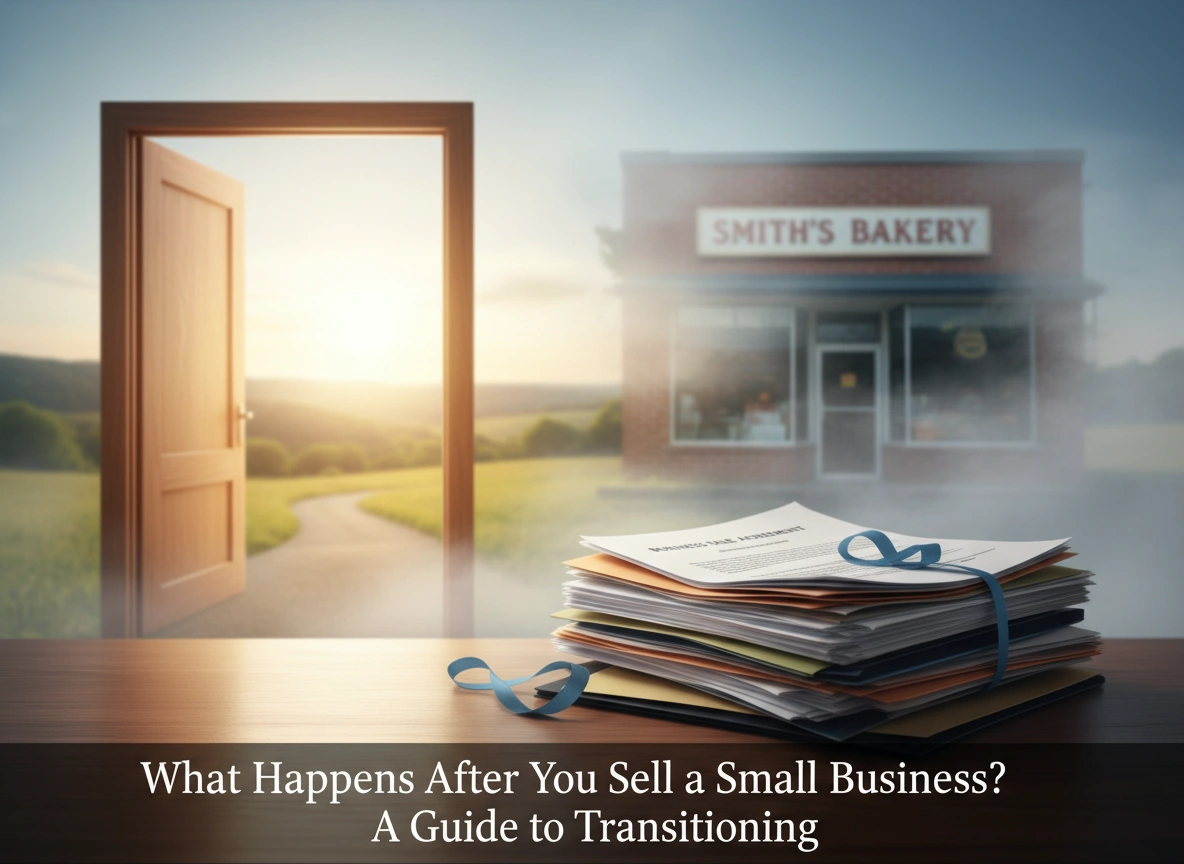
Sell a small business is a monumental achievement. It represents the culmination of years of hard work, dedication, and risk. But once the papers are signed and the deal is closed, a new and often overlooked journey begins. The transition out of the business you built can be as complex as the process of selling it. This guide will walk you through what to expect and how to navigate the critical period after the sale, ensuring a smooth transition for yourself, the business, and its new owner.
The First Steps: Immediate Post-Sale Priorities
The moment the sale is finalized is often a whirlwind. While it’s tempting to immediately disconnect, several crucial tasks require your prompt attention to secure a clean and successful exit.
Finalizing Legal and Financial Obligations
Your first priority is to tie up all loose ends. Work closely with your legal and accounting teams to ensure every detail is handled correctly.
- Settle Final Accounts: Pay off any remaining business debts, vendor invoices, and taxes. This includes final payroll taxes, sales taxes, and corporate income taxes. Your accountant can help create a final balance sheet and ensure all liabilities are satisfied as stipulated in the sales agreement.
- Close Business Accounts: Officially close business bank accounts, credit cards, and lines of credit. Transfer any remaining funds according to the sale agreement. This prevents any future confusion or unauthorized use.
- Dissolve the Legal Entity: Depending on your business structure (LLC, S-Corp, etc.), you may need to file dissolution paperwork with the state. This is a critical legal step that formally ends the existence of your old company, protecting you from future liabilities.
Organizing Your Financial Windfall
The influx of cash from the sale can be overwhelming. Before making any significant financial decisions, it’s essential to have a clear plan.
- Calculate Your Net Proceeds: Understand exactly how much you are walking away with after all transaction costs, taxes, and fees. Capital gains taxes can be substantial, so work with a tax advisor to determine your precise tax liability and set aside the necessary funds.
- Park the Proceeds Safely: Initially, place the sale proceeds into a secure, liquid account like a high-yield savings or money market account. This gives you time to think and plan without the pressure of immediately investing it. Avoid the temptation to make large purchases or risky investments right away.
Navigating the Emotional Rollercoaster
Many former owners are surprised by the profound psychological impact of selling their business. You’ve likely poured your identity, time, and energy into your company for years. Its absence can leave a significant void.
Dealing with a Loss of Identity
For many entrepreneurs, the business is not just a job; it’s who they are. Friends, family, and your community may have known you as “the person who owns that shop” or “the founder of X company.” Losing that title can feel like losing a part of yourself. Acknowledge these feelings of grief or aimlessness. It’s a natural part of the process.
Coping with the Change in Routine
Your daily routine is about to change dramatically. The constant emails, employee questions, and operational fires to put out will disappear. This newfound freedom can feel liberating at first but can quickly lead to boredom or a sense of being adrift. It’s important to start thinking about how you will structure your days to maintain a sense of purpose.
Managing the Transition Period Effectively
A smooth handover is crucial for the continued success of the business and your own peace of mind. Your sales agreement likely includes a transition period where you will assist the new owner. Use this time wisely.
Communicating with Employees and Customers
Open and honest communication is key. Your employees will be anxious about their future, and your loyal customers will have questions.
- For Employees: Work with the new owner to craft a joint message. Be transparent about the change in ownership and, if possible, reassure them about the security of their roles. Introduce the new owner and facilitate a positive initial relationship. Your endorsement can go a long way in ensuring staff loyalty.
- For Customers and Stakeholders: Inform key customers, suppliers, and other stakeholders about the sale. Emphasize the continuity of service and quality. A personal touch, such as a phone call to your most important clients, can help maintain these valuable relationships for the new owner.
Ensuring a Smooth Handover to the New Owner
Your role during the transition is to be a guide, not a micromanager. The new owner needs to establish their own authority.
- Document Everything: Create a comprehensive “owner’s manual” that details key processes, vendor contacts, customer information, and unwritten operational knowledge. This document will be an invaluable resource long after you are gone.
- Set Clear Boundaries: Define your role, responsibilities, and availability during the transition period. Stick to the agreed-upon hours and tasks. This helps the new owner take control and prevents you from being drawn back into day-to-day operations indefinitely.
- Be a Mentor: Focus on transferring knowledge and offering strategic advice. Share insights about the industry, market trends, and specific customer nuances that aren’t written down anywhere. Your goal is to empower the new owner to succeed on their own.
Post-Sale Financial Planning and Strategy
With your immediate financial house in order, it’s time to think long-term. The proceeds from your sale could fund the rest of your life, so careful planning is essential.
Assemble a team of trusted financial advisors, including a wealth manager, a tax specialist, and an estate planning attorney. Your goal is to create a comprehensive financial plan that aligns with your life goals.
Discuss key questions with your advisory team:
- How can we invest these funds to generate income while preserving capital?
- What is the most tax-efficient way to manage this wealth?
- How does this event change our estate plan and legacy goals?
Diversify your investments across different asset classes to manage risk. Your financial advisor can help you build a portfolio tailored to your risk tolerance and long-term objectives.
Exploring What’s Next: Life After the Business
The sale of your business marks the end of one chapter and the beginning of another. This is your opportunity to redefine your life and pursue new passions.
- Consider Retirement: For some, the sale is a direct path to retirement. This could mean traveling, spending more time with family, or pursuing hobbies you never had time for.
- Start a New Venture: Many entrepreneurs find they have the itch to build something new again. With the experience and capital from your first success, you are in a strong position to launch another business, perhaps in a completely different industry.
- Become a Mentor or Consultant: You have a wealth of knowledge that is valuable to others. Consider consulting for other small businesses, joining an advisory board, or mentoring aspiring entrepreneurs.
- Pursue Philanthropy: Use your newfound resources and time to give back to causes you care about. This can provide a deep sense of purpose and fulfillment.
Before you jump into anything, take time to decompress. A break of a few months allows you to rest, reflect, and make clear-headed decisions about your future. Selling your business is a life-changing event. By managing the financial, legal, and emotional aspects with intention and care, you can ensure a successful transition and build an exciting and fulfilling life beyond the company you created.
